
Choosing the right cosmetic dental procedure can be a confusing decision for patients seeking to improve the appearance of their smile. With options ranging from teeth bonding to veneers and dental implants, it is important to understand the benefits, limitations, and suitability of each treatment. Cosmetic dentistry offers a variety of minimally invasive and non-invasive procedures designed to restore both function and appearance, giving you a natural-looking smile.
The information in this post is designed to help you make an informed decision about which cosmetic procedure is best for your dental concerns.
Understanding cosmetic dentistry
What cosmetic dentistry is
The ultimate goal of cosmetic dentistry is to improve the appearance of a person’s teeth, gums, and smile as a whole. It’s not just about creating a perfect smile; dentists also make sure that the natural tooth structure and function are preserved wherever possible.
Cosmetic dental procedures are often combined with other dental treatments, such as teeth whitening or orthodontic treatment, to achieve a comprehensive smile makeover.
Common goals of cosmetic dental treatments
Patients seeking cosmetic dentistry typically have concerns including chipped teeth, discoloured teeth, gaps between teeth, misaligned teeth, crooked teeth, or badly broken teeth. By consulting a cosmetic dentist, it is possible to create a treatment plan tailored to your specific dental concerns. This initial consultation often includes X-rays, photographs, and an evaluation of the natural teeth to determine the right treatment for each patient.
Cosmetic dental procedures may include veneers, orthodontics for adults, root canal treatments combined with cosmetic restoration, or even replacing missing teeth with false teeth. A cosmetic dentist will discuss the advantages, limitations, and cost-effective solutions available so you can make an informed decision for a new, healthy smile.
Composite bonding: what it is
The bonding procedure explained
Composite bonding, also known as dental bonding, is a minimally invasive procedure that involves the application of a resin material to repair or improve the appearance of a tooth. Composite bonding treatment is ideal for patients who want to correct small imperfections in their teeth without undergoing invasive procedures.
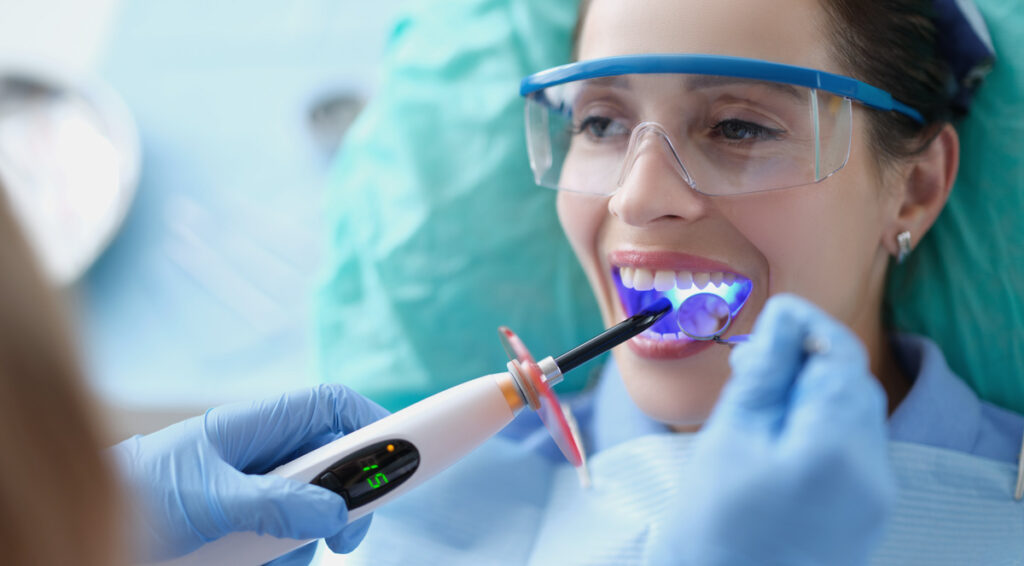
The dental bonding procedure typically begins with a local anaesthetic if needed to ensure the patient’s comfort. The dentist will prepare the surface of the tooth, sometimes lightly etching it to help the bonding material adhere better. Using a resin material that matches the colour of the natural teeth, the dentist applies the composite in layers, carefully sculpting it to the desired shape. Each layer is hardened using a curing light. This process allows for a natural appearance, blending seamlessly with the other teeth to create a healthy smile.
Who is suitable for composite bonding
Composite bonding is effective for various dental concerns, including chipped teeth, gaps between teeth, discoloured teeth, and surface irregularities. It is often considered a painless procedure and can be completed in one appointment for minor corrections, making it a convenient option for patients seeking a cost-effective solution.
The procedure preserves natural tooth structure as much as possible, unlike some other cosmetic procedures that may require extensive removal of enamel. Patients with a single bonded tooth or multiple bonded teeth can enjoy an improvement in appearance without compromising their natural tooth structure.
Composite bonding: benefits and considerations
Advantages of composite bonding
One of the main advantages of composite bonding is its minimally invasive nature. The procedure does not require drilling or significant removal of tooth enamel, making it a preferred option for patients wanting to maintain natural tooth structure. Composite resin is stain-resistant and can be polished to match the sheen of natural teeth, ensuring a natural-looking smile.
Composite bonding also offers a cost-effective solution for improving the appearance of teeth. Compared with porcelain veneers or dental implants, the material and procedure are less expensive, making it accessible for a wider range of patients. In addition, it is a versatile cosmetic procedure suitable for closing gaps, repairing chipped teeth, or reshaping teeth to improve symmetry.
Limitations and expected lifespan
However, composite bonding does have limitations. The bonded material can chip or stain over time, especially if a patient frequently consumes staining foods and drinks or has habits such as smoking, nail biting or teeth grinding. Regular dental care and occasional touch-ups at the dental practice can extend the lifespan of bonded teeth.
Composite bonding is particularly suitable for patients who want a quick, minimally invasive procedure that allows for adjustments, if necessary, and can even be removed. While it’s not suitable for severely damaged or badly broken teeth, it remains an effective solution for mild to moderate cosmetic dental concerns.
Veneers: overview and suitability
Types of veneers available
Veneers are thin, custom-made shells designed to cover the front surface of the teeth. Porcelain veneers or resin veneers are used to improve the appearance of discoloured teeth, misaligned teeth, or teeth with surface imperfections. Unlike composite bonding, veneers require more preparation of the natural tooth structure, although they remain a highly effective cosmetic procedure.
Ideal candidates for veneers
Veneers are an especially good option for patients who want a natural-looking smile that addresses lots of cosmetic concerns at once. They can be used to improve the shape, size, and alignment of teeth and are often combined with teeth whitening for a comprehensive smile makeover.
A cosmetic dentist will evaluate whether veneers are the right treatment for each patient during the initial consultation. Factors such as tooth decay, weakened tooth structure, and oral health are considered to ensure the procedure is suitable. Once the treatment plan is agreed upon, veneers are fabricated and fitted, often requiring two or more appointments.
While veneers provide a long-lasting and stain-resistant solution, they are more invasive than composite bonding because a portion of the enamel may need to be removed. Despite this, many patients find veneers to be a highly effective solution for achieving a perfect smile.
Dental implants: overview and eligibility
What dental implants involve
Dental implants are a restorative procedure designed to replace missing teeth or severely damaged teeth. They consist of a titanium post surgically placed into the jawbone, which serves as a stable foundation for a crown, bridge, or denture. Dental implants provide a permanent solution for patients who cannot achieve a satisfactory outcome with other cosmetic dental treatments.
Who can get dental implants
Dental implants are suitable for patients with healthy gums and sufficient bone density. A thorough evaluation by a cosmetic dentist or dental surgeon, including X-rays and possibly 3D scans, is essential before proceeding. In some cases, additional procedures such as bone grafting or a root canal may be required to ensure the success of the implant.
While dental implants are a more invasive procedure than composite bonding or veneers, they offer a natural appearance, restore proper chewing function, and prevent the movement of other teeth. They are often the treatment of choice for patients with gaps, badly broken teeth, or missing teeth who want a permanent and durable solution.
The procedure usually involves multiple appointments. After the implant is placed, a healing period allows the bone to fuse with the implant, creating a stable base for the crown. Once the crown is fitted, patients can enjoy a natural tooth structure and a healthy smile that can last for decades with proper care.

Comparing treatments: bonding, veneers, and implants
Aesthetic outcomes and durability
Choosing between composite bonding, veneers, and dental implants depends on several factors, including the severity of the concerns, the condition of natural teeth, the patient’s budget, and desired outcomes.
Composite bonding: Minimally invasive, cost effective, and suitable for minor cosmetic concerns such as chipped teeth, closing gaps, or correcting discoloured teeth. It preserves natural tooth structure and is often completed in one painless procedure, making it ideal for patients seeking a quick improvement in appearance.
Veneers: A more durable and stain-resistant solution than bonding. They are especially effective for patients with numerous cosmetic concerns, such as misaligned teeth, crooked teeth, or discolouration that cannot be addressed with teeth whitening alone. Veneers are slightly more invasive than composite bonding, they offer a natural-looking smile and a long-lasting improvement in aesthetics.
Dental implants: The most comprehensive solution for patients with missing teeth or severely damaged teeth. They restore function and appearance, preventing bone loss and maintaining the position of other teeth. Although more invasive and costly, implants provide a permanent, natural appearance and a stable foundation for long-term oral health.
Treatment process and recovery times
Other cosmetic dental procedures may be used alongside these treatments. Teeth whitening can enhance the results of bonding or veneers, and orthodontic treatment may be recommended prior to cosmetic procedures to correct misaligned teeth. A cosmetic dentist will evaluate the patient’s goals, oral health, and expectations to create a tailored treatment plan for a perfect smile.
Recovery times vary. Composite bonding and veneers typically involve minimal downtime, while dental implants may require weeks of healing before the final crown is fitted. Patients should follow the dentist’s instructions carefully to ensure a successful outcome.
Costs of cosmetic dental procedures
Typical UK prices for bonding, veneers, and implants
The cost of cosmetic dental treatments in the UK varies. Composite bonding is often the most cost-effective solution, with treatment fees generally lower than those for veneers or dental implants. The use of composite resin and the minimally invasive nature of the procedure contribute to its affordability.
Veneers are more expensive due to the laboratory fabrication process, materials such as porcelain, and additional appointments required for fitting. Porcelain veneers are particularly stain-resistant and provide a durable, natural appearance, which justifies their higher cost.
Dental implants involve surgical placement, multiple appointments, and high-quality materials such as titanium posts and custom crowns. This does mean that they are the most expensive option, but they also offer a long-term solution for missing or badly broken teeth. The total cost can vary depending on additional procedures like bone grafting or the number of implants required.
Factors affecting procedure costs
Factors such as the dentist’s experience, clinic reputation, and geographic location can also influence costs. During the initial consultation, patients can receive a detailed breakdown of the fees and an estimated cost for the complete treatment plan. This allows patients to make an informed decision and choose the right treatment for their needs.
Financing cosmetic dentistry
Insurance coverage and tips for savings
Cosmetic dental procedures are generally not covered by insurance, as they are not medically necessary. Patients should therefore plan ahead to manage the costs of treatments such as veneers, dental implants, or composite bonding.
Free consultation appointments are often available, allowing patients to discuss treatment options, ask questions, and receive a personalised quote. Understanding the financial aspect of cosmetic dentistry is important to ensure patients can proceed comfortably with their new smile.
Patients should also consider the long-term value of treatments. While composite bonding may be more cost-effective initially, veneers or implants may provide greater durability and reduce the need for repeated procedures. A well-planned treatment plan ensures both aesthetic and functional outcomes, giving patients a natural-looking smile that enhances confidence and oral health.
Payment plans and financing options
Many dental practices offer financing options or payment plans to make cosmetic dental procedures more accessible. Patients seeking a perfect smile can spread the cost over several months, making treatments such as veneers, dental implants, or composite bonding more manageable.

Medicred: flexible finance for private dental treatment
At Medicred, we understand that high-quality private dental treatment can be a significant investment for patients. That is why we specialise in flexible healthcare loans that help spread the cost of treatment into manageable monthly payments. Our goal is to make private dental care more accessible by removing the need for a large upfront payment, so patients can start their treatment plan without unnecessary financial stress.
Applying for finance with Medicred is quick and straightforward. Patients can complete an online application in just a few minutes, receive approval typically within 24 hours, and then book their dental appointments with confidence, knowing that the cost is being spread over interest-free instalments. There are options to repay over 3, 6, 9 or 12 months, depending on your budget and needs.
We partner with dental practices to offer tailored payment solutions that help patients get the treatment they need now rather than later. By enabling affordable monthly payments, Medicred empowers patients to proceed with both essential and cosmetic dental procedures without delay, helping them achieve a healthy, confident smile.
Choose the best treatment for you with confidence!
Choosing the right cosmetic dental treatment ultimately depends on your individual needs, dental health, and smile goals. Whether you are considering composite bonding for minor imperfections, veneers for a long-lasting aesthetic solution, or dental implants for missing or badly broken teeth, understanding the benefits, limitations, and costs of each procedure will help you make an informed decision.
It is also important to consider practical factors such as recovery time, long-term durability, and financing options. By carefully evaluating your priorities and discussing them with a dental professional, you can select the right treatment to improve the appearance of your teeth, enhance your confidence, and create a healthy, lasting smile.
FAQs
Is composite bonding painful?
Composite bonding is usually a painless procedure. Most patients do not need any local anaesthetic, especially when the treatment is used to fix minor imperfections like small chips or gaps. The dentist applies a resin material to the tooth and shapes it carefully, which does not involve drilling or cutting into the natural tooth structure.
Some patients may feel slight pressure or sensitivity if the bonding is being applied to a larger area or near the gum line. Any discomfort is generally mild and short-lived. Overall, composite bonding is considered a comfortable and minimally invasive treatment for improving the appearance of teeth.
Will smoking affect the lifespan of composite bonding, veneers, and implants?
Smoking can have a significant impact on the lifespan of composite bonding, veneers, and implants. For composite bonding and veneers, the resin or porcelain material may become stained or discoloured more quickly when exposed to tobacco. This can reduce the aesthetic quality and make the teeth look less natural over time.
For dental implants, smoking can affect healing after surgery and increase the risk of gum problems around the implant. Bone integration may also be slower, which could compromise long-term stability. Reducing or stopping smoking helps maintain the appearance and durability of all cosmetic dental treatments.
Does composite bonding damage the natural tooth?
Composite bonding does not usually damage the natural tooth when performed correctly. The procedure is minimally invasive and often requires little or no removal of enamel. The resin material is carefully applied to the surface of the tooth and shaped to improve appearance, preserving the natural tooth structure as much as possible.
Unlike more invasive treatments, composite bonding can often be reversed or adjusted without harming the tooth. Patients should maintain good oral hygiene and attend regular dental check-ups to ensure the bonded tooth remains healthy. When cared for properly, composite bonding protects rather than damages the natural tooth.
Can I whiten my teeth after composite bonding?
If you are planning to whiten your teeth, it is best to do so before having composite bonding. This allows the dentist to match the shade of the bonding material to your newly whitened teeth, ensuring a natural-looking smile.
Whitening after bonding may not change the colour of the composite resin, which can result in a noticeable difference between the bonded tooth and your natural teeth. By completing whitening first, the bonded material can blend seamlessly, giving a consistent and bright appearance across all teeth. This approach helps achieve the most natural and attractive results.
What do I need to gather in order to apply for finance for cosmetic dental treatment?
To apply for finance for cosmetic dental treatment, you will need some basic personal and financial information. This includes proof of identity such as a passport or driving licence, proof of address like a recent utility bill, and details of your income or employment. Lenders may also ask for bank statements or pay slips to confirm your ability to make repayments.
It is helpful to have a clear idea of the treatment plan and estimated costs from your cosmetic dentist. Providing accurate information and documentation ensures the application process is smooth and increases the likelihood of approval for finance.
Will my cosmetic dental work look natural?
Cosmetic dental work can look very natural when carefully planned and carried out by a skilled cosmetic dentist. Materials such as composite resin, porcelain veneers, and dental implants are designed to match the colour, shape, and texture of your natural teeth. The dentist will consider the size and alignment of your teeth, as well as your smile line, to ensure the results blend seamlessly.
Shade matching and precise shaping help bonded teeth, veneers, and crowns appear like natural teeth. With attention to detail and proper treatment planning, cosmetic dental procedures can create a healthy smile that looks as natural as possible.
How do I maintain a bright, white smile after cosmetic treatment?
Maintaining a bright, white smile after cosmetic treatment starts with good daily oral hygiene. Brushing twice a day with fluoride toothpaste, flossing, and using an antibacterial mouthwash helps keep teeth clean and prevents staining. Regular dental check-ups and professional cleanings are essential to preserve the appearance of veneers, composite bonding, or dental implants.
Minimising foods and drinks that can stain teeth, such as coffee, tea, red wine, and dark sauces, will help maintain your new smile. Using a straw for coloured drinks can reduce contact with teeth, and polishing treatments from your dentist can refresh the surface when needed.
My bonding has chipped. What do I do?
If your bonding has chipped, contact your cosmetic dentist as soon as possible. Minor chips can often be repaired quickly in a single appointment, while larger breaks may require more extensive work. Avoid eating very hard foods until your appointment, as this can prevent the damage from worsening. Avoid trying to fix the bonded tooth yourself, as this can cause further damage.
In the meantime, be gentle when eating and avoid hard or sticky foods that could worsen the chip. Your dentist will assess the bonded tooth and may reshape or reapply composite resin to restore the tooth’s appearance and function, helping you maintain a healthy, bright smile.
Can I see what my final results might look like before I agree to treatment?
Before agreeing to cosmetic dental treatment, it is often possible to see a preview of the expected results. Many cosmetic dentists use digital imaging or mock-ups to show how veneers, composite bonding, or dental implants could look on your teeth. This allows you to understand how changes in shape, colour, and alignment will affect your smile.
During the initial consultation, the dentist may also create temporary models or impressions to help you visualise the outcome. This process helps you feel confident about the treatment, make any adjustments to your preferences, and ensure the final results meet your expectations.
How do I choose the right cosmetic dentist?
Choosing the right cosmetic dentist starts with researching their qualifications, experience, and areas of expertise. Look for a dentist who specialises in cosmetic dental procedures such as veneers, composite bonding, or dental implants. Reading reviews and viewing before-and-after photos of previous patients can give you an idea of the dentist’s skill and style.
During an initial consultation, consider how well the dentist listens to your concerns and explains treatment options. A good cosmetic dentist will provide a clear treatment plan, discuss costs and recovery, and ensure you feel comfortable making an informed decision about improving your smile.