
Choosing how to replace missing teeth can feel overwhelming, especially with so many treatment options available. Dental implants are a long-term solution that look and feel like natural teeth, but it is completely normal to wonder whether they are worth the investment. This guide explores the benefits, the realities of dental implant treatment, what to expect from the surgical procedure, and how the costs work so you can make an informed decision that suits your needs.
What are dental implants?
Definition and how implants work
Dental implants are artificial tooth roots designed to support replacement teeth in areas where you have missing teeth. They are usually made from titanium screws or titanium alloy, materials chosen because they are strong, lightweight and compatible with the body. Once fully integrated, they function much like natural teeth and provide a long-term foundation for prosthetic teeth.
Implants work by forming a stable connection with the surrounding bone. This connection allows them to act as a secure base for a single tooth, multiple teeth or even a full arch of new teeth. Because they behave like the root portion of a real tooth, they help maintain the natural structure of the jaw bone and prevent the changes that often occur after lost teeth.
When restored with a replacement tooth, implants allow you to bite, chew and speak in a way that feels close to natural. They are used to replace lost teeth in a manner that does not rely on other teeth for support, helping to protect healthy teeth and preserve long-term oral function.
Types of dental implants used in the UK
Several implant types are used to replace lost teeth, and the most common is the endosteal implant, which is placed directly into the jaw bone. This type works well when you have enough bone mass to support the implant site. It is the option most people have in standard implant therapy.
If the jaw bone has shrunk due to bone loss, gum disease, periodontal disease or lost teeth left untreated for a long time, a bone graft may be recommended before implant surgery. This helps rebuild the bone tissue and ensures there is enough bone to support the implant. Bone grafts are common in the upper jaw, where the bone can be thinner or where sinus anatomy limits space.
Some patients may be suitable for immediate implant placement, where the implant is inserted at the same appointment as tooth removal. This can reduce appointments and speed up the process, although it depends on the health of the implant site and the stability of the underlying bone.
Another option involves two-stage surgery. This means the implant is placed in the bone and allowed to heal beneath the gum before the second stage, where the dentist attaches the healing cap. Depending on your case, implant treatment may be completed in one or two stages. Your dental team will guide you on the most suitable option.

Key benefits of dental implants
Functional advantages over dentures and bridges
Dental implants are used to replace missing teeth in a way that feels more secure than removable dentures. Because they are anchored to the jaw bone, they do not shift, slip or rub against the gums. This stability can improve chewing ability and make eating firmer foods easier compared with traditional false teeth.
When you choose implant therapy, the replacement tooth is supported by an implant rather than neighbouring teeth. This means healthy teeth do not have to be filed down to hold a bridge. Preserving other teeth is a major advantage for long-term oral health.
Many people also find implants more comfortable than dentures. You do not need adhesives, and you clean them in much the same way you clean natural teeth. As they become part of your mouth structure, they help restore bite strength and allow you to speak and smile confidently.
Long-term oral health benefits
One of the most significant long-term benefits of dental implants is that they help maintain bone mass. When teeth are lost, the jaw bone no longer receives stimulation from the tooth root. Without this, bone loss begins and can affect facial structure. Implants act like the real tooth root and stimulate bone growth, helping to maintain bone integrity.
This stimulation supports the surrounding bone and keeps the implant site healthy. The more natural the forces applied during chewing, the more the bone tissue is encouraged to stay strong. This is something removable dentures cannot offer since they do not connect with the underlying bone.
Implants can also prevent the shifting of other teeth. When one missing tooth is left untreated, the neighbouring teeth can drift into the gap, leading to bite changes and potential need for orthodontic treatment. Replacing lost teeth promptly with implants reduces this risk.
Who is a good candidate for dental implants?
Medical and dental suitability criteria
A good candidate for implant surgery generally has healthy tissues, enough bone in the jaw and does not have uncontrolled medical conditions that interfere with healing. The success of implant treatment depends heavily on bone healing, blood vessels that support recovery and the ability of bone cells to integrate with the implant.
If you have one missing tooth, multiple teeth or failing teeth due to decay or injury, implants may be a suitable solution. The dental team will evaluate your general health, including conditions such as diabetes or smoking habits, as these can affect bone growth and healing.
Regular visits to the dentist help monitor the health of your teeth and gums. If gum disease or periodontal disease is present, this must be treated before implant placement. Stable oral health creates the best foundation for long-term implant success.
Factors that may delay or prevent treatment
Some factors can delay or prevent dental implant treatment. If the jaw bone has significant bone loss, you may require a bone graft before implant placement can happen. This adds time to your treatment plan as the graft must heal before the implant is inserted.
If you wear dentures for many years, pressure on the gums can cause the underlying bone to shrink. This loss of bone mass may require additional procedures to ensure the implant is stable. However, modern techniques can often rebuild the implant site.
Lifestyle factors can also affect treatment. Smoking reduces oxygen in the blood and slows bone healing, increasing the risk of early failure or implant failure. Your dental team will advise whether quitting or reducing smoking before a minor surgery will improve your chances of success.
Dental implant surgery explained
Treatment timeline
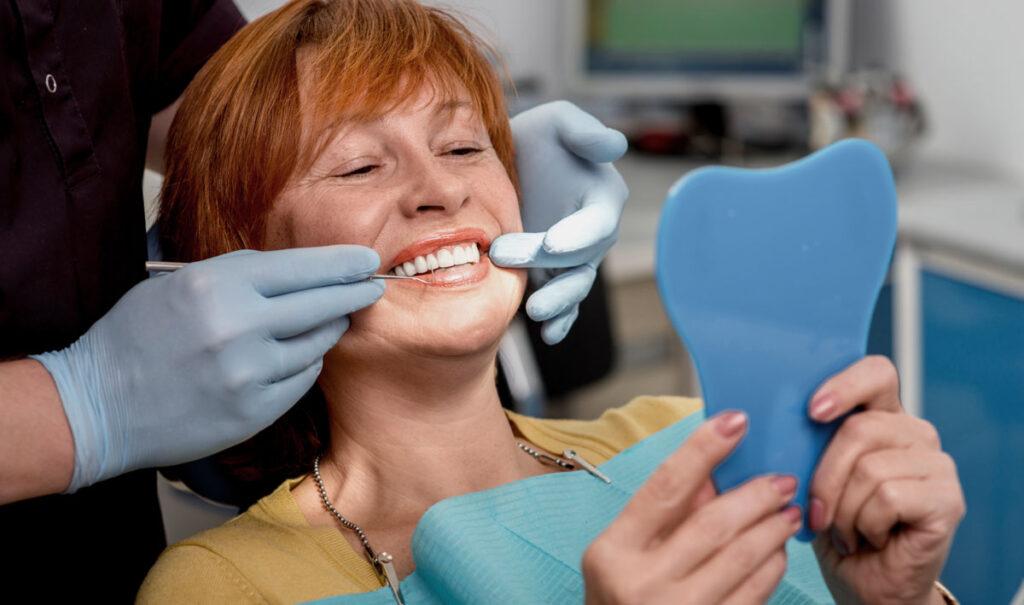
The process typically begins with a detailed assessment where the dentist examines your mouth, takes scans and checks the quality of the jaw bone. Once the treatment plan is created, implant surgery can be scheduled.
During dental implant placement, the dentist positions the implant in the underlying bone through a minor surgical procedure. Once inserted, the implant must go through a healing period while bone cells grow around the implant surface. This process integrates the implant with the adjacent bone and helps it become strong enough to support new teeth.
When the implant has bonded successfully, a healing cap or cover screw is attached to the top of the implant. This supports the replacement tooth or a bridge that can replace multiple teeth. Whether you need a single tooth restoration or multiple implants, the principle is the same, with the implant acting as the new root portion that anchors the artificial teeth securely in place.
Aftercare and recovery expectations
After implant surgery, mild discomfort, swelling and bruising are normal. These symptoms usually settle within a few days. Your dental team will provide instructions to help you keep the implant site clean and reduce the risk of complications.
During the healing period, you may need to avoid hard foods that could put pressure on the top of the implant. Good oral hygiene is essential to prevent infection and protect the healthy tissues around the implant.
Regular check-ups allow the dentist to track bone growth and ensure the implant is bonding properly. Once fully healed, the replacement tooth is fitted and adjusted so it feels comfortable and functions the same way as your natural teeth.
Costs of dental implants in the UK
Typical price ranges for single and multiple implants
Dental implants cost varies depending on several factors, including the number of implants required, the need for additional procedures and the type of restoration placed on top of the implant. A single implant used to replace one missing tooth will cost less than multiple dental implants needed for extensive tooth loss.
For patients who require two or more implants to support a bridge or a full arch restoration, costs increase because of the additional surgeries, components and laboratory work. Multiple implants may still be more cost-effective in the long term compared with replacing false teeth repeatedly or maintaining removable dentures.
Although implant therapy requires a higher initial investment, many people see it as worthwhile because of the durability, comfort and improved quality of life it provides. As implants integrate with the bone and function like natural teeth, they often outlast traditional alternatives.
Factors that influence total treatment cost
Several factors influence the overall dental implants cost. These include the condition of the jaw bone, whether a bone graft is needed, the complexity of the case, the number of appointments required and the type of prosthetic teeth used.
Additional procedures, such as bone grafts or sinus lifts, add to the cost because they require materials and a separate minor surgery. Similarly, if immediate implant placement is possible, this may reduce the number of appointments and affect the final cost.
The materials used also play a role. High-quality titanium alloy implants, custom-made prostheses, and advanced imaging systems contribute to the total. Your treatment plan will outline all expected costs clearly so you can understand what is involved.

Finance and payment options
Private dental insurance considerations
Private dental insurance policies vary, and some may offer limited cover towards implant treatment. However, most insurance providers consider dental implants an elective procedure. It is important to check your policy carefully to understand what is included.
If the cover is minimal, your dentist can still help you plan your treatment in a way that aligns with your budget. Some patients use insurance to cover related treatments like extractions or periodontal therapy, even if the implant surgery itself is not covered.
Your dental team will be able to advise on the paperwork needed for insurance claims. Clear communication with your insurer helps avoid unexpected costs and ensures you understand your benefits.
Monthly finance plans and budgeting tips
Many dental practices offer monthly finance arrangements to help patients spread the cost of implant therapy over a manageable period. These plans allow you to begin treatment without paying the full amount upfront. Some finance providers state that they are not a lender but work with third-party financial institutions that handle credit agreements.
Budgeting in advance can make the cost feel more manageable. Since implants provide long-term stability and do not require frequent replacement like some types of false teeth, many people find that the investment pays off over time.
If you need multiple dental implants or a single implant, a staged treatment plan can spread the cost across several months. Your dental team will discuss all available options so that financing does not prevent you from receiving the care you need.
Medicred: finance for dental implants, and more!
How Medicred can help make dental implant treatment affordable
At Medicred, we know that the cost of dental implants can feel like a barrier, even when they are the right long-term option for replacing missing teeth. Our role is to make treatments such as implant surgery, orthodontic care and restorative work more accessible by offering finance options that allow you to spread payments over time in a manageable way.
The application process is simple and can be completed online in just a few minutes. Most applications receive a quick decision, helping you move forward with your treatment plan without delay. Once approved, your repayments follow a clear schedule that fits your budget and removes the pressure of paying the full amount upfront.
We support patients seeking anything from a single implant to multiple dental implants, as well as treatment plans that involve additional procedures. By spreading the overall cost, you can begin care at the right moment rather than postponing essential treatment.
Flexible payment plans and patient-focused support
At Medicred, we aim to keep healthcare finance straightforward. Our payment plans can be tailored to your needs, giving you flexibility when planning treatment. Whether you require one implant or two or more implants, you can choose a repayment period that suits your circumstances.
We also provide tools to help you estimate what your monthly payments might look like. This makes it easier to plan when your treatment includes extra steps, such as a bone graft or periodontal therapy. Having a clear picture of the overall cost helps you make confident decisions.
Medicred works closely with dental practices across the UK, supporting dental teams in offering practical finance solutions for their patients. By making treatment costs easier to manage, we help patients proceed with the care they need, improving long-term oral health and confidence.

Risks and limitations to consider
Common complications and how they are managed
Like any surgical procedure, implant surgery carries risks. These may include infection, early failure, implant failure or delayed bone healing. However, these complications are relatively uncommon when treatment is planned carefully and performed by an experienced dental team.
Infections are usually treated with antibiotics and improved cleaning of the implant site. If the implant fails to bond with the bone, it can often be removed and replaced after healing. Following aftercare instructions significantly reduces the risk of problems.
Patients with gum disease or periodontal disease need these conditions controlled before treatment. Proper preparation ensures that healthy tissues surround the implant, reducing the chances of complications.
Situations where implants may not be the best choice
While implants are used to replace lost teeth effectively, they are not always the best option. Some patients may not have enough bone to support an implant and may not wish to undergo a bone graft.
Others may find the idea of minor surgery challenging or prefer a non-surgical option such as removable dentures. Dentures can be a suitable choice for those who prefer a non-invasive treatment, although they do not provide the same stability as implants.
Patients with certain medical conditions may need additional consultations to ensure implant therapy is safe. In such cases, the dental team will help explore alternative solutions that are more suitable.
How to choose a dental implant provider
Qualifications and experience to look for
Choosing a dentist with experience in implant placement is essential for successful treatment. Look for a provider with advanced training in implant dentistry and a strong track record of placing implants in cases similar to your own.
Experienced clinicians can assess the quality of the underlying bone, identify potential challenges and recommend the best approach. They will also be familiar with techniques such as two-stage surgery or immediate implant placement.
A skilled provider will explain each stage of the process clearly and make sure the treatment plan aligns with your needs and expectations. Feeling confident in your dentist is a key part of the decision-making process.
Questions to ask during your consultation
During your consultation, it is helpful to ask about the dentist’s experience with implant surgery, the expected timeline and any additional procedures that may be needed. Understanding whether your case requires a bone graft, one or two stages, or multiple implants will help you prepare.
Ask how the practice monitors healing and what steps are taken if complications occur. It is also useful to ask about follow-up care, as seeing your dentist regularly supports long-term success.
Finally, discuss financing and payment options so you know exactly how the cost fits into your budget. A good dental team will answer your questions openly and help you feel comfortable with your decision.

Are dental implants right for you? Making an informed decision
Deciding whether dental implants are worth it depends on your goals, oral health needs and long-term expectations. For many people, implants offer the closest experience to having natural teeth again, providing stability, comfort and restored confidence in daily life. With the right treatment plan and a skilled dental team, they can deliver lasting benefits that go far beyond simply replacing missing teeth.
While the cost is a significant consideration, flexible finance options and staged treatment plans can make implant therapy more accessible. Taking time to understand the full process, including suitability, healing and long-term care, will help you make an informed and confident decision.
Ultimately, dental implants remain one of the most reliable and effective ways to replace lost teeth. If you are considering them, a detailed consultation with your dentist is the best next step toward restoring both function and quality of life.
FAQs
Are dental implants better than bridges or dentures?
Dental implants are often considered a longer-lasting solution compared with bridges or dentures. Implants are placed directly into the jaw bone, acting like a real tooth root, which supports the replacement tooth securely. This stability allows better biting and chewing, and they do not move or slip like dentures. Unlike bridges, implants do not rely on adjacent teeth, helping to protect healthy teeth.
Implants also help maintain bone in the jaw, reducing bone loss that can happen with missing teeth. They feel more natural and are easier to clean, providing a solution like natural teeth.
Is getting dental implants painful?
Getting dental implants is usually not painful because the procedure is done under local anaesthetic. During the implant surgery, the area is numb, so you should not feel discomfort while the implant is placed. Some patients may feel pressure or slight movement, but this is normal and not painful.
After the procedure, it is common to have mild swelling, bruising or soreness around the implant site. This can usually be managed with over-the-counter pain relief and proper care. Most discomfort eases within a few days, and following your dentist’s instructions helps ensure a smooth and comfortable healing period.
How do I care for an implant once it’s fitted?
Once a dental implant is fitted, it should be cared for in the same way as natural teeth. Brush gently around the implant at least twice a day using a soft-bristled toothbrush and fluoride toothpaste. Floss carefully between the implant and neighbouring teeth to remove food and plaque.
Regular dental check-ups are important to monitor the implant and the surrounding gum and bone. Avoid biting very hard foods directly on the implant during the healing period. Keeping the area clean and visiting your dentist regularly helps prevent infection, supports bone health, and ensures the implant lasts for many years.
What signs should I look for if something goes wrong?
After a dental implant, it is important to watch for any unusual changes around the implant site. Signs that something may be wrong include persistent pain, swelling that does not improve, redness or bleeding in the gums, and a feeling that the implant is loose.
Other warning signs can include pus or discharge from the area, difficulty chewing, or a bad taste in the mouth. If you notice any of these issues, contact your dentist as soon as possible. Early attention can prevent more serious problems and help protect the implant and surrounding bone.
Is travelling abroad for implants safe or recommended?
Travelling abroad for dental implants can carry risks and may not always be recommended. Standards of care, hygiene, and dental materials can vary between countries, which could affect the success of your implant. Follow-up appointments and managing complications can be more difficult if your dentist is overseas.
It is also important to consider travel costs, time away from home, and the need for multiple visits during the treatment plan. If something goes wrong, arranging urgent care locally can be challenging. Many dentists recommend having dental implant treatment done close to home to ensure safety, proper monitoring, and long-term success.
Can I get a full mouth of dental implants?
It is possible to get a full mouth of dental implants to replace all your missing teeth. This usually involves placing multiple implants in both the upper jaw and lower jaw to support a complete set of prosthetic teeth. The number of implants needed depends on the health of your jaw bone and the type of restoration planned.
Before treatment, your dentist will assess bone mass and may recommend procedures such as bone grafts to ensure there is enough bone to support the implants. With proper planning and care, a full mouth of implants can restore function, appearance, and confidence.
Does smoking affect the longevity of dental implants?
Smoking can have a negative effect on the longevity of dental implants. It reduces blood flow to the gums and jaw, which can slow bone healing and integration of the implant with the surrounding bone. This increases the risk of early failure or implant failure.
Smoking also makes the gums more prone to infection and can contribute to bone loss around the implant. To improve the success of dental implant treatment, dentists usually advise quitting or reducing smoking before and after implant surgery. Maintaining good oral hygiene and attending regular check-ups can also help protect the implant over the long term.
What can I eat after dental implant surgery?
After dental implant surgery, it is best to eat soft foods that do not put pressure on the implant site. Examples include yoghurt, mashed potatoes, scrambled eggs, soups, smoothies, and cooked vegetables. These foods are gentle on the gums and help avoid irritation while the implant begins to heal.
Avoid hard, crunchy, or sticky foods during the initial healing period, as these can damage the implant or surrounding tissues. Cold or warm drinks are usually fine, but very hot foods should be avoided. Following your dentist’s instructions about diet helps support bone healing and a successful implant outcome.
Will dental implants look natural?
Dental implants are designed to look very similar to natural teeth. The replacement tooth is shaped and coloured to match your surrounding teeth, creating a seamless appearance. Because the implant is fixed in the jaw bone, it does not move like dentures, which helps it look and function like a real tooth.
The final result depends on the skill of the dentist and the quality of the prosthetic teeth used. With careful planning, implants can blend in with your smile, supporting both aesthetics and function. They are often indistinguishable from natural teeth once fully restored.
Is there an age limit to getting dental implants?
There is no strict age limit for getting dental implants, but certain factors need to be considered. Implants are generally not placed in children or teenagers because their jaw bones are still growing. For adults, the main consideration is whether the jaw bone and gums are healthy enough to support the implant.
Older adults can often receive implants successfully if they have good oral and general health. Conditions such as bone loss, gum disease, or certain medical issues may require additional treatment before implant placement. A dentist will assess each patient individually to ensure the best chance of success.